English














































































































































































































Early Cannibalism of Humans (850,000 years ago)

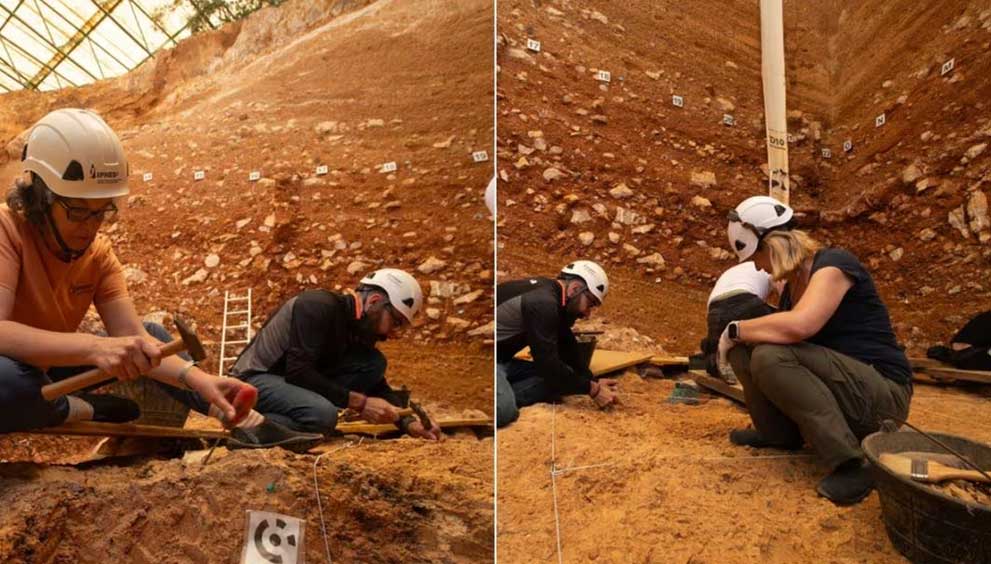
Northern Spain: Atapuerca Mountains
A vivid discovery made by the archaeologists of the north of Spain is the remains of one of the neck vertebrae of a minor with cut marks on it with the assistance of stone tools in the mountains of Atapuerca. This evidence is around 850,000 years, and they belong to the culture known as Homo antecessor, a bygone extinct species of early man.
Key Findings
The cuts show that the child was slaughtered presumably to get meat.
This represents the first evidence of cannibalism of children in human ancestors so far.
The act may have been due to grave scarcity of resources, or maybe possibly ritual or cultural activities that may have prompted the act amongst researchers.
The discovery provides an important perspective to the social activities and mechanisms of survival of the early people.
Significance
This finding alters the meaning of prehistoric human practices especially the treatment given to dead by ancient people. It also presents a rare insight into early social processes and survival strategies by challenging the suppositions regarding the development of the empathy and community norms, and ritual.