English





















































































































































































So, Trump Just Put Big Tariffs on 60+ Countries — Here’s What That Actually Means

If you’ve noticed the stock market looking shaky, or headlines screaming “Tariffs!,” you’re not alone — and yes, something big just happened.
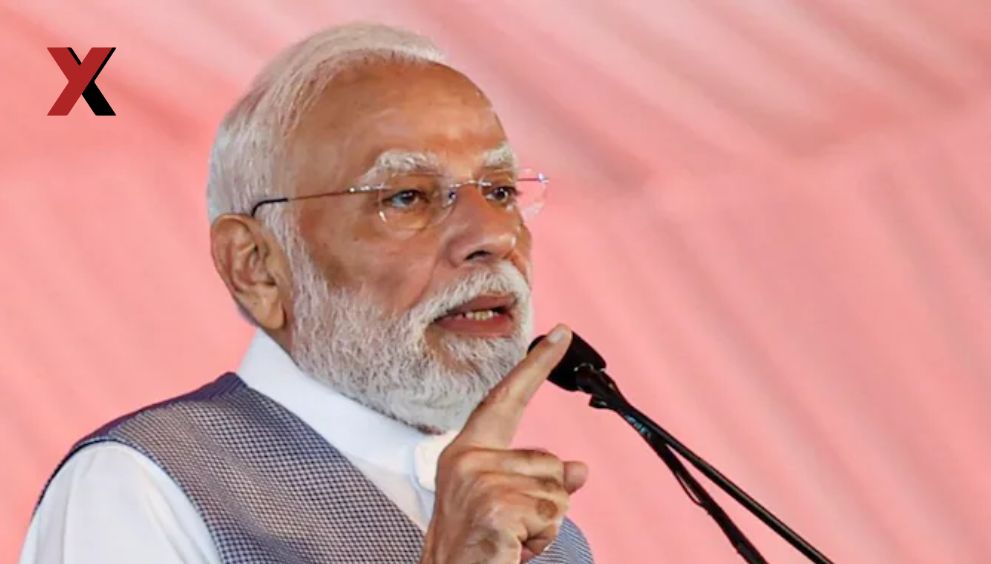
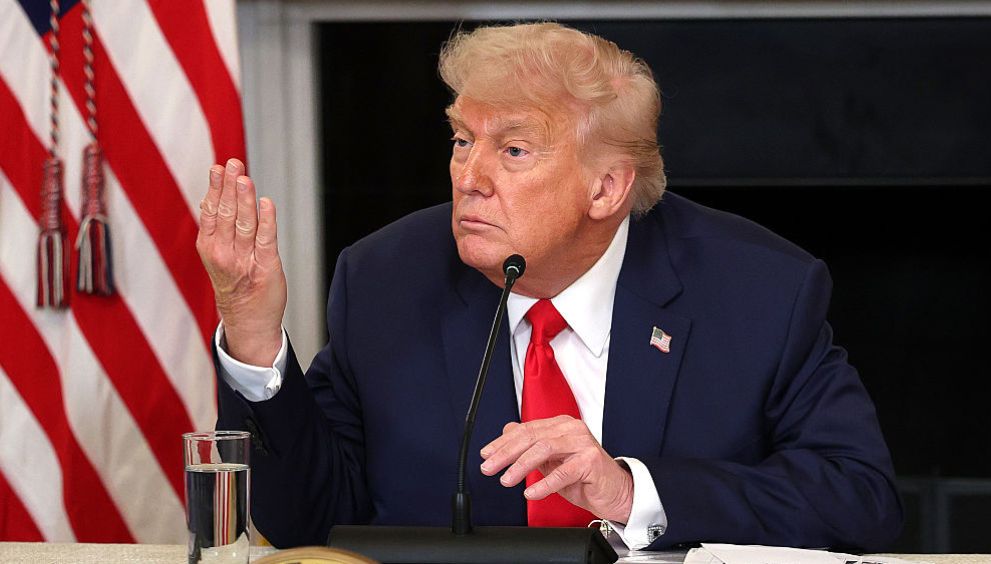
On August 1, U.S. President Donald Trump dropped a major economic bombshell: he signed a new executive order slapping extra import taxes (called tariffs) on goods from over 60 countries. It’s being pitched as “reciprocal tariffs” — meaning, “you tax our stuff, we’ll tax yours too (and harder).”
Wait… What Are These Tariffs?
Basically, tariffs are extra fees the government adds to imported products. And now, if you’re exporting to the U.S. from countries like India, Canada, Taiwan, Brazil, or Switzerland, your goods just got 10% to 41% more expensivefor American buyers.
Here’s how it looks for a few countries:
- 🇮🇳 India – 25%
- 🇨🇦 Canada – 35%
- 🇨🇭 Switzerland – 39%
- 🇹🇼 Taiwan – 20%
Meanwhile, countries like Japan and some EU nations negotiated deals to avoid the harshest rates.
Why Is Trump Doing This?
Trump says he’s had enough of what he calls “one-sided trade deals.” According to him, other countries have been taking advantage of the U.S. for years — selling their stuff cheaply to Americans while blocking U.S. goods in return.
His goal? Make things “fair” again. Bring back American factories. Boost U.S. jobs. Get tougher in global trade.
Sounds patriotic, right? But here’s the problem…
The Economy’s Already Feeling Wobbly
The same day Trump announced these new tariffs, the U.S. also released some not-so-great job numbers:
- Only 73,000 jobs were added in July — way less than expected
- Previous job counts were quietly revised down by 258,000
- Unemployment rose to 4.2%
That’s not great — and it’s why investors kind of panicked.
Wall Street had a mild meltdown: the Dow Jones dropped over 500 points, and global stock markets (like in London, Tokyo, Mumbai) followed with their own dips. Everyone’s worried this could trigger another trade war like the one in 2018 — but this time, with more inflation and less financial wiggle room.
How Are Countries Reacting?
Let’s just say… not well.
- India is reportedly discussing retaliatory tariffs — possibly on U.S. tech, agriculture, and medical goods.
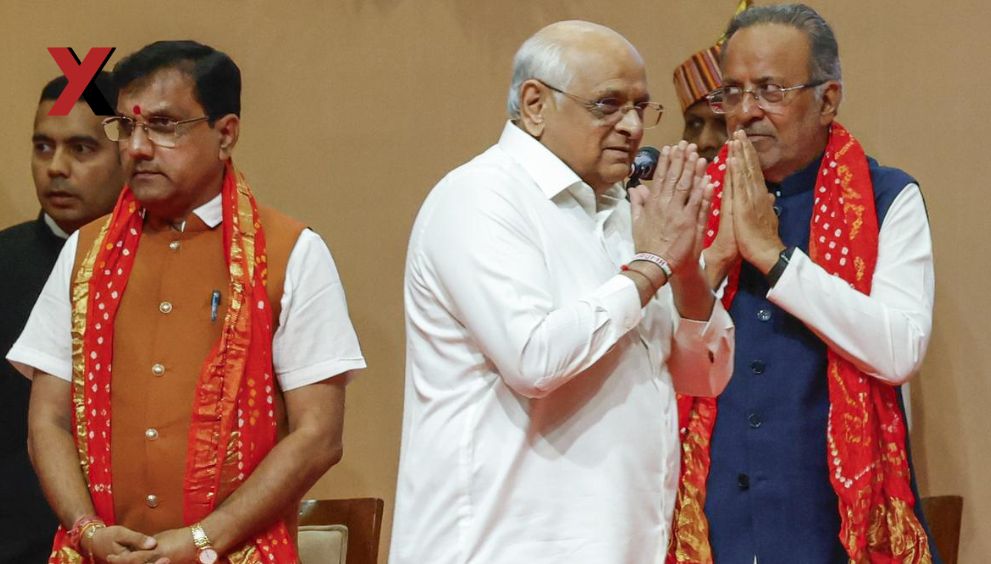
- Canada’s Prime Minister called it a “betrayal of allies.”
- Economists worldwide are warning that if things keep escalating, it could slow down global trade, raise prices, and hurt small businesses everywhere.
This isn’t just about politics. It could affect real people, real companies, and real wallets.
So, What Does This Mean for You and Me?
Even if you’re not in politics or business, this could hit home soon:
- Prices might go up — on gadgets, cars, imported food, even raw materials
- Small and medium exporters may take a hit, especially in India and Canada
- Investors could see more market ups and downs in the coming weeks
- Global companies might rethink where they manufacture or sell products
And if you’re running a business? Now’s the time to watch your supply chains, check your export exposure, and stay flexible.
In Simple Terms: Big Changes Are Coming
This move is bold, risky, and very “Trump-style” — heavy on impact, light on subtlety.
Some call it smart protectionism. Others say it’s economic self-sabotage. What’s clear is that global trade has just entered a new phase, and no one is quite sure what the final price tag will be.