English










































































































































































































China Confirms Over 7,000 Cases in Chikungunya Outbreak

A sudden rise in chikungunya virus infections has hit southern China, with over 7,000 confirmed cases reported across various cities in Guangdong province. Health officials have called this outbreak the worst mosquito-borne epidemic the region has seen in nearly 20 years.
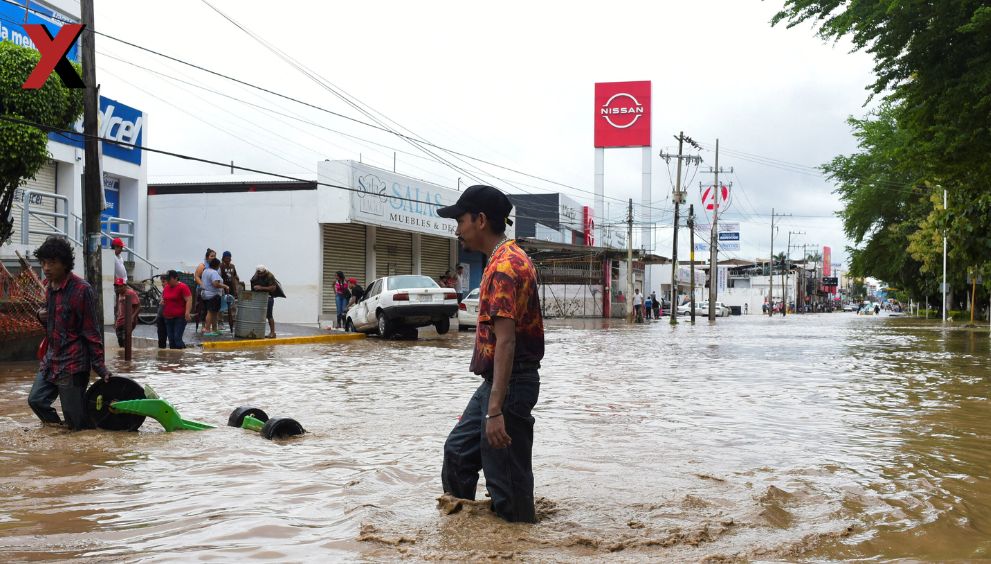
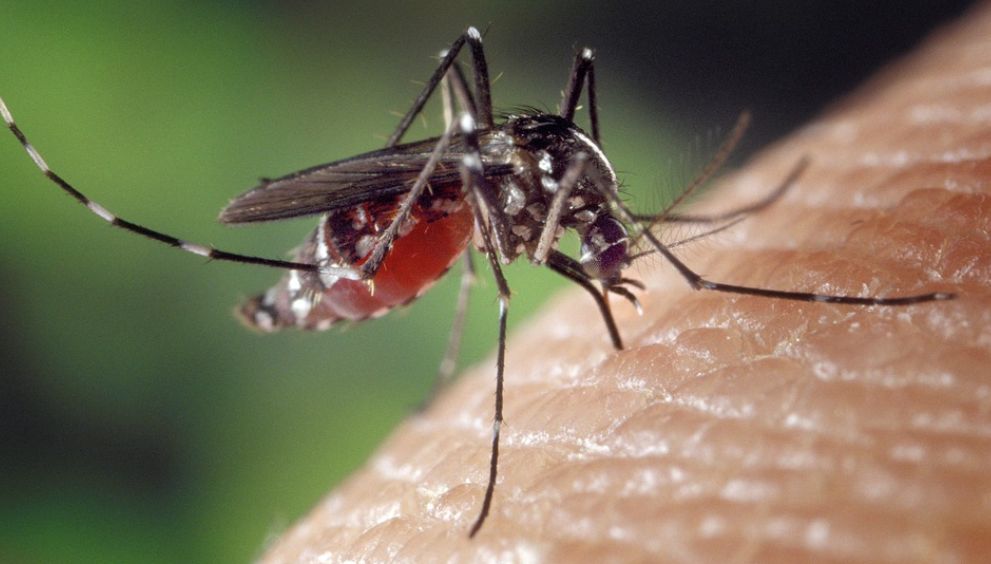
The virus, spread by the Aedes mosquito, has circulated swiftly due to a mix of intense summer heat, stagnant water after flooding, and crowded urban areas. Foshan, the city hit hardest, saw cases jump from 500 to nearly 3,000 within just one week. Nearby cities like Guangzhou and Dongguan have also reported hundreds of infections.
Residents with chikungunya have complained of common symptoms, including high fever, rash, fatigue, and intense joint pain that may last for weeks. While deaths are rare, the rapid spread has pushed health authorities to act quickly.
The National Health Commission has released public advisories and launched robust vector control efforts, similar to strategies used during earlier COVID-19 waves. These efforts include teams for masked disinfection, local travel restrictions, public screenings, and quarantining symptomatic individuals. Authorities have also increased attempts to remove mosquito breeding sites, using drone surveillance, imposing fines for water collection, and even cutting power to enforce compliance.
In addition, Guangdong has implemented biological measures, such as introducing fish that eat mosquitoes and “elephant mosquitoes” that target larvae. Public service announcements have urged residents to wear long clothing, apply insect repellent, and keep windows screened.
In response to the outbreak, the U.S. Centers for Disease Control and Prevention (CDC) has issued a Level 2 travel advisory for China. Travelers are encouraged to take extra precautions, especially in areas with many mosquitoes.
While local health officials claim that most cases are mild, concerns remain due to the absence of a publicly available vaccine in China. Vaccines have been created and approved in other countries but are not yet accessible for widespread use in the area.
The chikungunya outbreak highlights the increasing threat from climate-driven growth of tropical diseases. As temperatures rise and extreme weather events become more frequent, experts warn that areas previously unaffected may soon become hotspots for mosquito-borne illnesses.