English























































































































































































UN Plastic Treaty Talks Collapse as Key Countries Block Progress

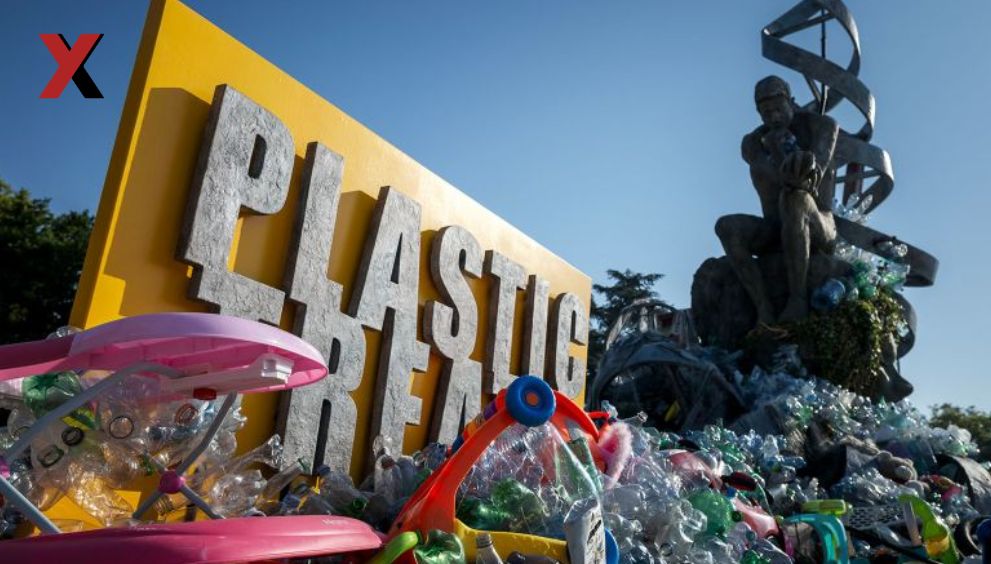
Efforts to forge the world’s first legally binding treaty to tackle plastic pollution have hit a roadblock. A high-stakes round of U.N. negotiations in Geneva ended without agreement, revealing deep divisions and stalling global action.
What Unfolded
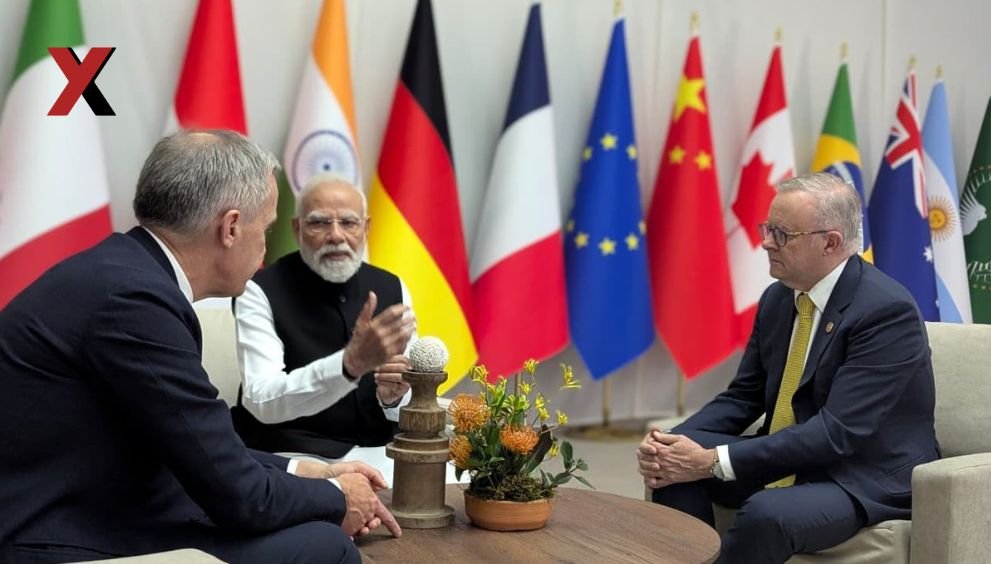
This latest session, the sixth of its kind, gathered delegates from 184 countries. The core goal: to finalize a treaty imposing limits on plastic production and tightening controls on toxic additives. However, consensus remained elusive.
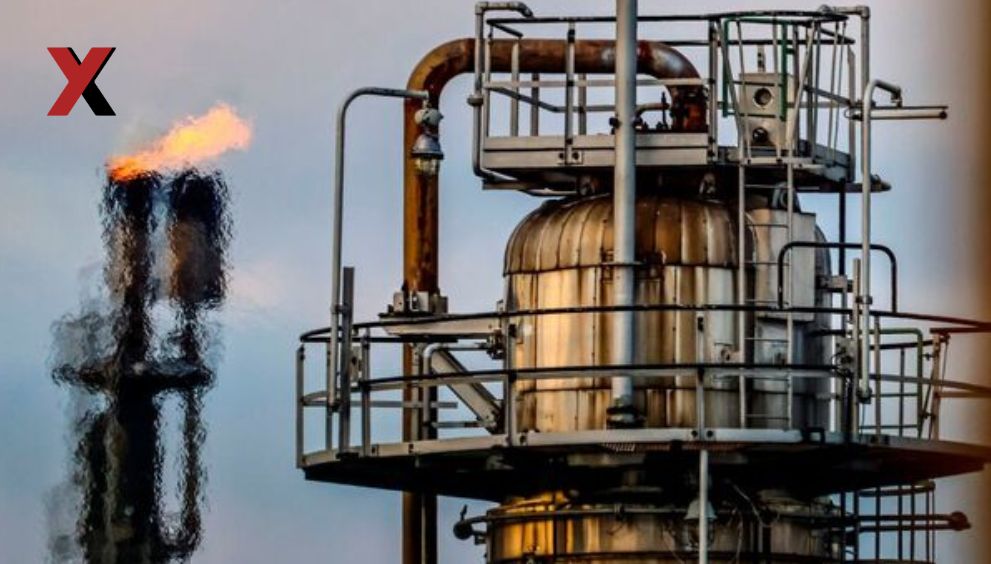
- Opposition from Oil States: The U.S., along with oil-rich nations like Saudi Arabia and Kuwait, firmly opposed binding production limits and any measures that went beyond waste management solutions.(turn0news13, turn0news16)
- No Deal, No Schedule: After nearly two weeks of intense talks, no agreement was reached—and there’s no clear timeline for the next round.(turn0news13)
- Widespread Frustration: Many countries, especially in the EU, Africa, and the Pacific, voiced deep disappointment. They argued the delay threatens ecosystems and public health.(turn0news16)
Why It Matters
| Impact Area | Key Concerns |
|---|---|
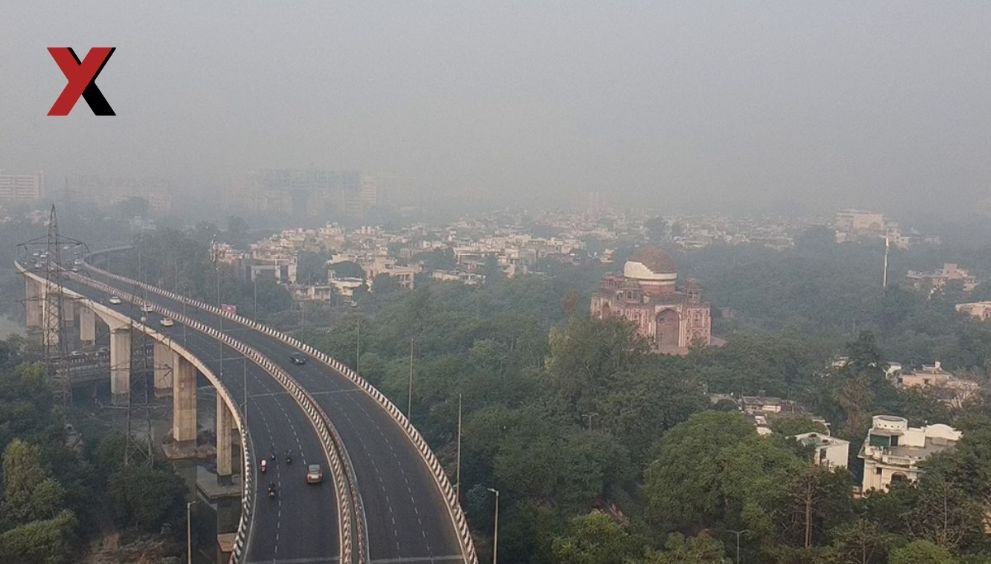
| Environmental Urgency | Plastic production continues unhindered—over 460 million tonnes annually, with 20 million tonnes entering environments.(turn0news12) |
| Multilateral Process Strained | A small group of opposing nations leveraged consensus rules to block treaty progress.(turn0news14) |
| Geopolitical Tensions | The resistance to production limits reflects broader struggles between environmental ambition and fossil fuel economic interests.(turn0news16) |
Despite the setback, some hope remains. Diplomatic rapport between China and the EU showed gestural progress, and environmental advocates reaffirm their commitment to pushing the agenda forward.
Final Thought
This collapse is more than a diplomatic misstep—it’s a stark signal of how entrenched fossil-fuel interests are in shaping global environmental outcomes. While talks may resume, the narrowing window to prevent irreversible plastic damage grows smaller with each delay.