

 English





















































































































What’s Happening in Nepal? Gen-Z Protests Shake the Nation

Nepal is witnessing a period of major unrest and political change, driven largely by youth-led protests against government decisions seen as undermining freedom of expression and worsening corruption. The crisis has already led to violent clashes, high casualties, and the resignation of the Prime Minister. Below is an overview of the key developments, background, and what may come next.
What Sparked the Protests
- The immediate trigger was a government regulation requiring major social media platforms (Facebook, X, YouTube, etc.) to register with the state and operate via a liaison office in Nepal. Authorities blocked platforms that failed to comply.
- Young people—sometimes called “Gen Z” protesters—reacted strongly, viewing the ban as censorship and a threat to free speech. Frustration over corruption, limited economic opportunity, and distrust of political elites also played a large role.
Major Events So Far
- The social media ban sparked widespread protests across the country.
- Police response included use of tear gas, rubber bullets, and live ammunition. At least 19 people were confirmed dead in these clashes. Hundreds more are injured.
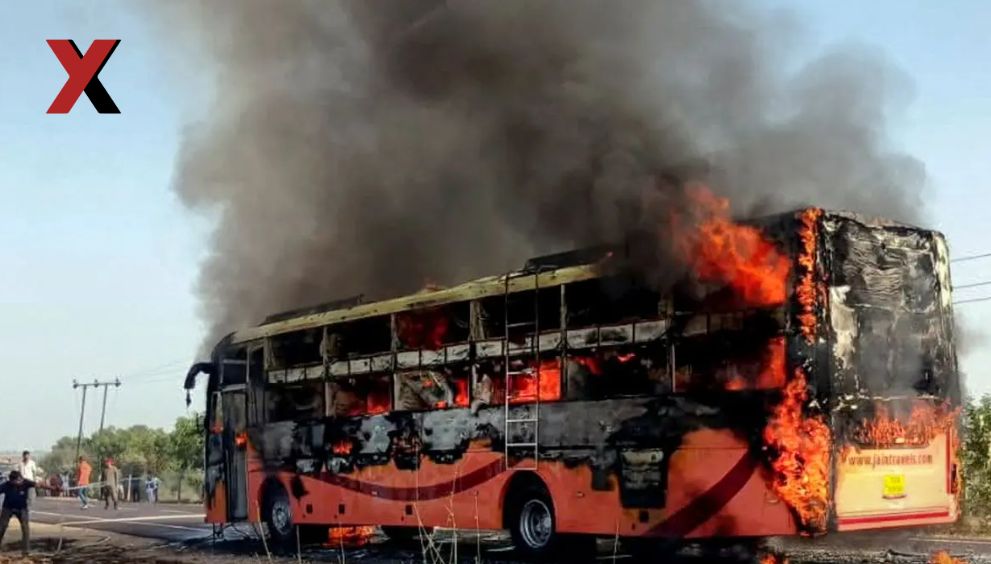
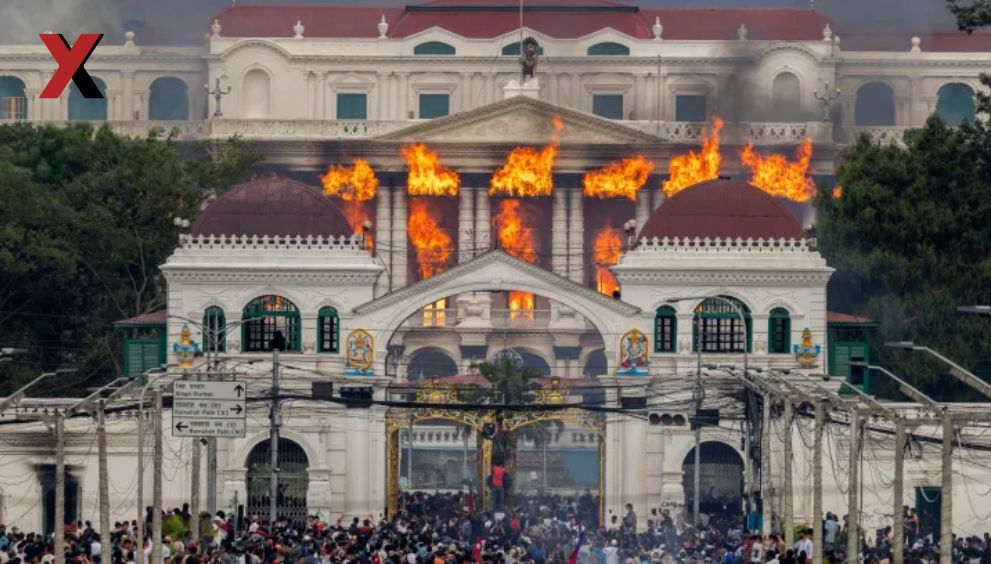
- Escalation continued: government buildings (including the Parliament and Prime Minister’s residence), party offices, and other public buildings were set on fire.
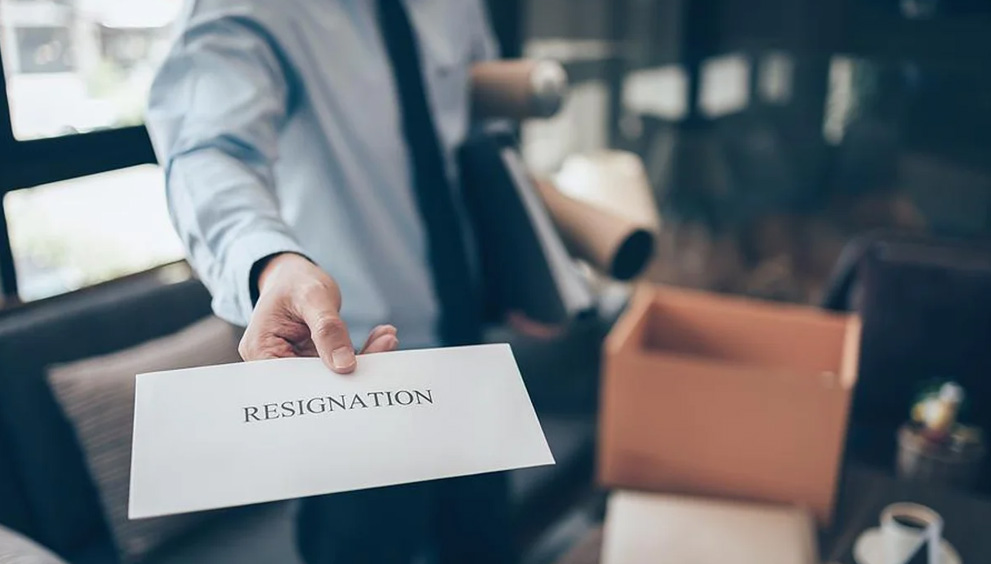
- Facing mounting pressure, Prime Minister K.P. Sharma Oli resigned.
- The government rescinded the social media ban, restoring access to the blocked platforms. However, many see this as only a partial victory since underlying issues remain.
Current Situation
- The streets of Kathmandu remain tense. Curfews and restrictive orders are in place in many areas.
- The Nepal Army has been deployed, and talks are ongoing between the army and protest leaders to choose an interim government or interim leader.
- A leading candidate being pushed for interim leadership is Sushila Karki, former Chief Justice, who is viewed by many protesters as honest and independent.
- Shops, schools, and transport have been disrupted. Some essential services are slowly resuming.
Stakes & Challenges
- The protests are about more than just social media. They reflect deeper discontent: corruption, nepotism, lack of accountability, and a sense among many youth that the government has failed to deliver.
- There is a risk of further violence if protests escalate, especially with more aggressive crackdowns. The international community and human rights groups are watching closely.
- The legitimacy and structure of any interim government will be hotly debated. How it is chosen, who it includes, and whether it leads to free and fair elections will be critical.
What to Watch Next
- Who becomes interim leader: Will Sushila Karki be formally appointed? What constitutional process will be used?
- Protesters’ demands vs. government promises: Whether deeper reforms are negotiated or the resolution is mostly symbolic.
- Restoring order & trust: How security forces are handled, and whether investigations and compensation for victims proceed transparently.
- Economic and social fallout: The impact of disruption on daily life, business, tourism, and international relations.
Conclusion
Nepal currently stands at a crossroads. The swift collapse of the Prime Minister’s government under popular pressure is already a dramatic moment in its democratic history. But whether this leads to lasting change or a return to familiar patterns depends on how both protesters and political actors choose to engage from here. Many Nepalese are hopeful—but also wary—that this moment may result in real accountability and reforms.

