English



















































































































































































































India’s Banking Policy Shift Under New RBI Governor Sends Markets Soaring

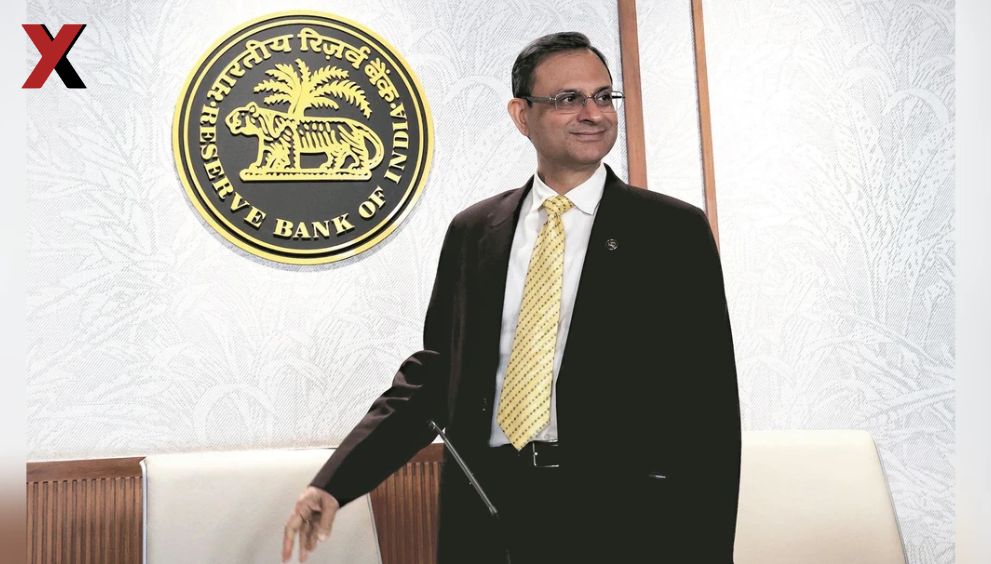
India’s financial world is witnessing a bold transformation as the Reserve Bank under its newly appointed Governor, Sanjay Malhotra, announces sweeping regulatory reforms that signal a fresh chapter in banking policy and economic growth.
What’s Changing
Under Malhotra’s leadership, the RBI is loosening several long-standing restrictions that previously constrained banks from taking bold steps in corporate borrowing, acquisitions, and capital market ventures. The reforms include:
- Greater freedom for banks to lend for corporate acquisitions
- Increased lending limits for subscription to initial public offerings (IPOs)
- Expanded flexibility for companies to borrow from overseas markets
These changes mark a departure from the conservative risk-averse approach that had dominated RBI policymaking in past years.
Why It Matters
The shift is seen as a direct response to stagnating private sector credit growth. By easing structural constraints, the RBI aims to stimulate investment especially in infrastructure, manufacturing, and emerging sectors. The reforms are also designed to bolster India’s capital markets, allowing domestic financial institutions to play a more proactive role in corporate funding.
Financial analysts have already noted a positive reaction in bank stocks and financial indices following the announcement.
Balancing Risks and Rewards
While markets have welcomed the announcement, experts caution that the loosening of rules introduces new challenges—particularly for asset quality and liquidity management.
- Asset-Liability Mismatches: Banks may struggle if they take on aggressive lending without matching long-term funding structures.
- Credit Risk: Expansion into newer lending avenues entails higher default exposure, especially in cyclical corporate sectors.
- Corporate Governance: As financial institutions get deeper into capital markets and acquisitions, oversight and transparency become even more critical.
The RBI must carefully balance growth ambitions with institutional resilience.
Implications for Businesses and Investors
For large corporates, especially in sectors like infrastructure, energy, and telecom, the new policy environment offers easier access to credit and funding. Smaller and medium enterprises may also benefit — indirectly — as credit flows pick up across the economy.
Investors, meanwhile, are likely to scout opportunities in banking and financial services stocks, anticipating potential gains from improved profitability.
What to Watch Next
- The first quarterly reports under the new regime will reveal whether banks manage the transition prudently.
- Nonperforming assets (NPAs) will need scrutiny, especially in sectors sensitive to economic downturns.
- The impact on India’s IPO pipeline and how companies leverage the loosened rules.
- The pace of change: how quickly banks adopt new lending strategies, and whether the RBI tightens rules again if risks mount.