

 English






























































































































































































The Yeti Files: The Mystery of the Roopkund Skeleton Lake That Baffles Scientists to This Day

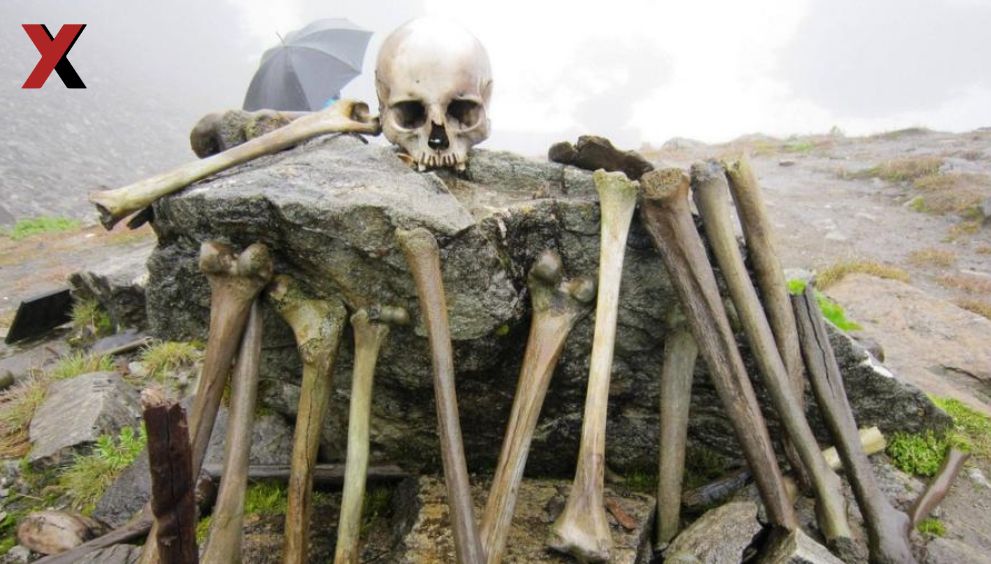
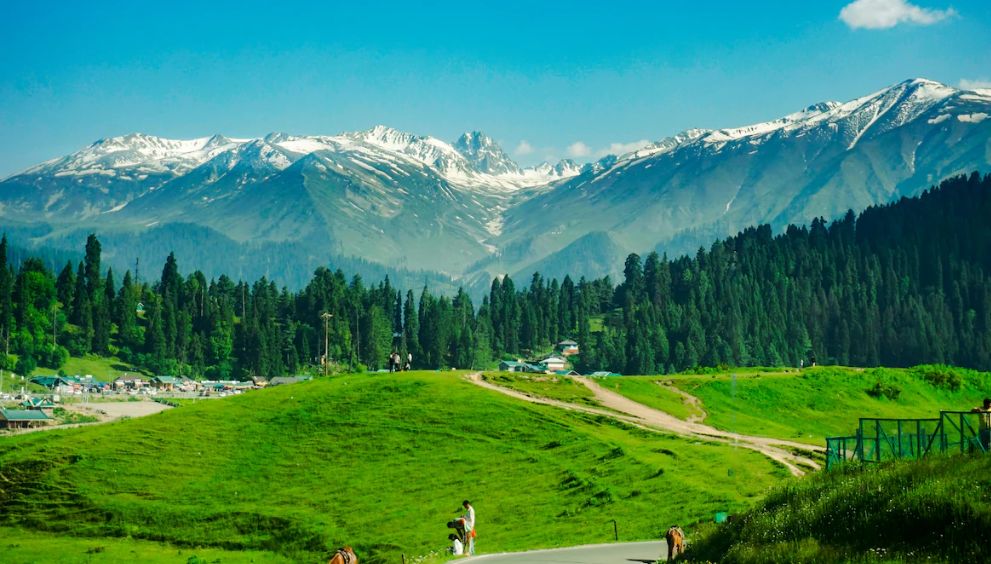
High in the icy Himalayas of Uttarakhand, India, lies Roopkund Lake — a small glacial body of water that hides one of the world’s strangest secrets. Beneath its frozen surface rest the skeletons of hundreds of people, preserved for centuries.
What makes this site truly chilling isn’t just the bones — it’s that no one knows who they were, how they died, or why they all gathered in this remote Himalayan basin.
The Shocking Discovery
The story begins in 1942, when a British forest ranger stumbled upon the lake while patrolling the region. As the snow melted, he made a horrifying discovery — hundreds of skeletons scattered around and inside the lake, perfectly preserved in the freezing temperature.
Early theories ranged from mass suicide to ancient battle casualties, or even a lost caravan of pilgrims caught in a Himalayan blizzard. But none quite explained the eerie symmetry of the bones — nor the strange cracks found on many skulls.
The Mystery Deepens
For decades, researchers tried to uncover the truth.
- Carbon dating revealed the remains were around 1,200 years old, dating back to the 9th century CE.
- DNA testing shocked scientists further — not all skeletons were related or even from the same region. Some appeared to be locals from the Himalayas, while others traced back to South India.
- Most unsettling of all, many skulls had deep, round fractures — as if struck by something heavy, falling directly from above.
No weapons were found, no signs of conflict, and no burial rituals. It was as if a group of travelers had suddenly died in unison.
The Scientific Breakthrough
In 2019, a team of Indian and international researchers conducted genetic and isotopic analyses. Their findings stunned the world:
- There were at least three distinct genetic groups among the dead.
- One group matched DNA from southern Indian coastal regions, thousands of kilometers away.
- The deaths occurred centuries apart — suggesting Roopkund was visited multiple times, by completely different groups.
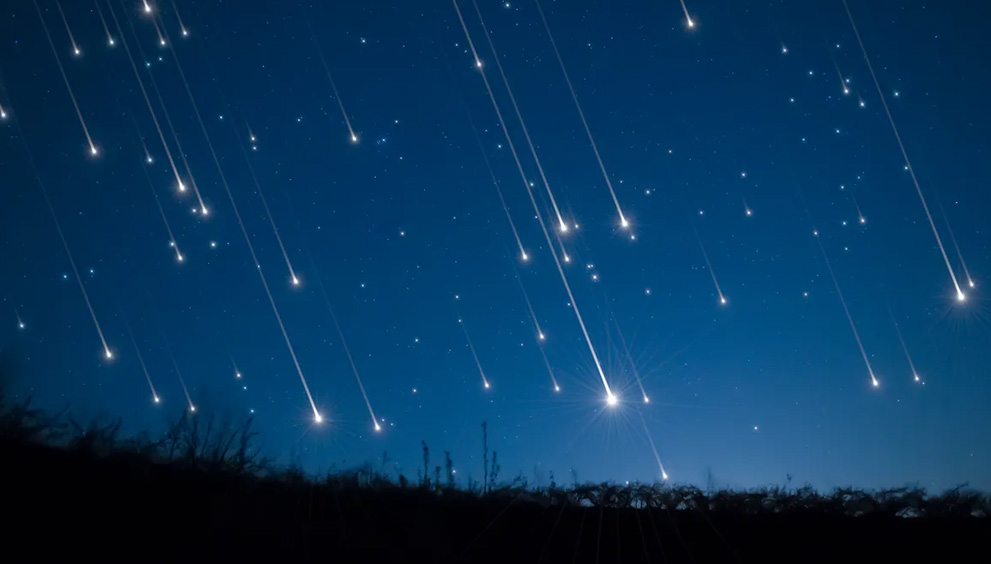
Even more bizarre, scientists found evidence that the injuries were caused by massive hailstones — some the size of cricket balls. The cause of death? A deadly hailstorm that struck without warning, leaving no survivors.
The “Cursed Lake” Legend
Local folklore tells of Raja Jasdhaval, a king from Kannauj, who journeyed to Nanda Devi with his pregnant queen and followers. They angered the mountain goddess by dancing and celebrating loudly near her sacred peak.
In her rage, the goddess unleashed “iron balls from the sky” — hailstones — killing everyone on the spot.
Centuries later, science would uncover evidence eerily matching this myth.
Still No Clear Answers
Despite the scientific explanations, many questions remain unanswered:
- Why did people from such distant regions gather there?
- Were they pilgrims following a now-lost ritual path?
- Why are some skeletons much more recent than others?
- And what other secrets might still lie frozen under the lake’s surface?
Lorem Ipsum has been the industry’s standard dummy text ever since the 1500s.
Roopkund Lake, also called “Skeleton Lake,” continues to be a restricted zone, protected for archaeological study. Every year, mountaineers who visit describe feeling a strange, almost sacred silence — as if the mountain still remembers what happened that day.

