English



















































































































































































































“Your Pillow Is Silently Destroying Your Neck” — Japan’s Leading Pain Expert Issues Startling Warning

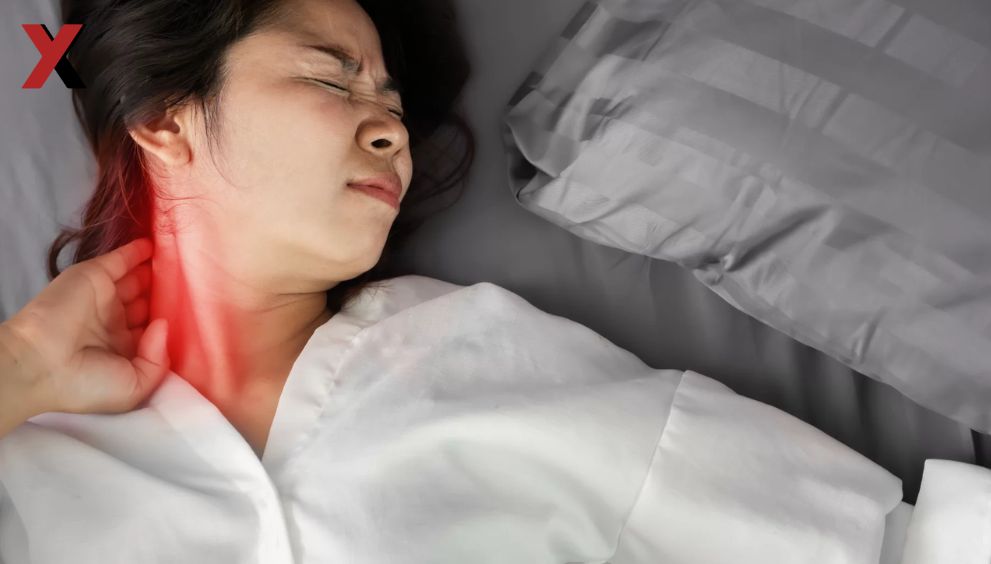
Dr. Hiroshi Tanaka, a prominent pain management specialist in Japan, has issued a startling warning: the pillow you use every night may be quietly damaging your neck, spine, and overall sleep health.
What Did the Expert Find?
- According to Dr. Tanaka’s recent observations at the Tokyo Spine Institute, up to 83% of people are unknowingly straining their trapezius muscle — the big muscle that connects the neck and shoulders — every night while they sleep.
- Using advanced muscle-monitoring technologies, his research claims to show that for many individuals, the trapezius remains in a state of constant tension throughout the night, unable to fully relax.
- Dr. Tanaka suggests that this chronic tension triggers what he terms a “Pain Cascade Effect”: what starts as neck stress spreads into the shoulders, upper back, and sometimes even leads to headaches, migraines, and other neurological symptoms.
How This Affects Sleep & Daily Life
- Many sleepers reportedly wake up with stiff necks, headaches, or a feeling of fatigue even after what should have been restful sleep.
- Dr. Tanaka also claims that traditional remedies like massages or painkillers offer only temporary relief unless the root issue — the pillow’s shape, height, and support — is addressed.
- Symptoms he associates with pillow-induced strain include unexplained headaches, dizziness, blurred vision, nausea, or heightened sensitivity to light.
What Makes a “Destructive” Pillow?
Dr. Tanaka’s work highlights several pillow characteristics that could be harmful:
- Incorrect height: too high or too low pillows force the neck into unnatural angles.
- Poor contour or support: pillows that don’t cradle the cervical curve (“neck arch”) properly.
- Inadequate materials or design: pillows that lose shape at night, compress too much, or apply uneven pressure.
According to the claims, the wrong pillow can prevent proper alignment of the spine, block healthy blood flow in neck and shoulder muscles, and prevent muscles from relaxing — all amplifying discomfort and potentially accelerating wear over time.
Possible Solutions & What to Look For
Dr. Tanaka suggests several criteria when choosing or replacing your pillow to avoid chronic neck damage:
- Ensure the pillow supports the natural curve of your neck — whether you sleep on your back, side, or (less recommended) stomach.
- Use ergonomic or contour pillows that maintain stability and firmness throughout the night.
- Replace pillows regularly (material degrades over time) to prevent loss of support.
- Consider pillows designed to distribute weight evenly or relieve pressure points.
He also recommends paying attention to how you feel in the morning: if pain, stiffness, or fatigue persist, your pillow might be the silent culprit.
Skepticism & What to Verify
While these claims are eye-opening, there are reasons to proceed with caution:
- The studies cited are not from widely recognized peer-reviewed medical journals and may be part of promotional material.
- Some statements appear exaggerated or sensational, which is typical of marketing content.
- Medical experts generally agree pillows can influence neck comfort; however, the extent of “silent damage” as claimed has not been universally validated.