English





























































































































































































“Torenza Passport Woman”: Viral AI Hoax That Fooled the Internet


A strange video that recently flooded social media has left millions of people both curious and confused. The clip shows a woman standing at the immigration counter at New York’s JFK Airport, calmly presenting a passport from a country called “Torenza.” The problem? No such country exists.
The so-called “Torenza Passport Woman” quickly became one of the most talked-about internet mysteries of 2025. But after widespread investigation, it turns out the entire incident was nothing more than a highly convincing AI-generated hoax.
What the Viral Video Showed
In the now-famous video, a woman allegedly arriving from Tokyo hands over a passport issued by “Torenza.” Immigration officers appear confused while she confidently explains that Torenza is a small nation located in the Caucasus region.
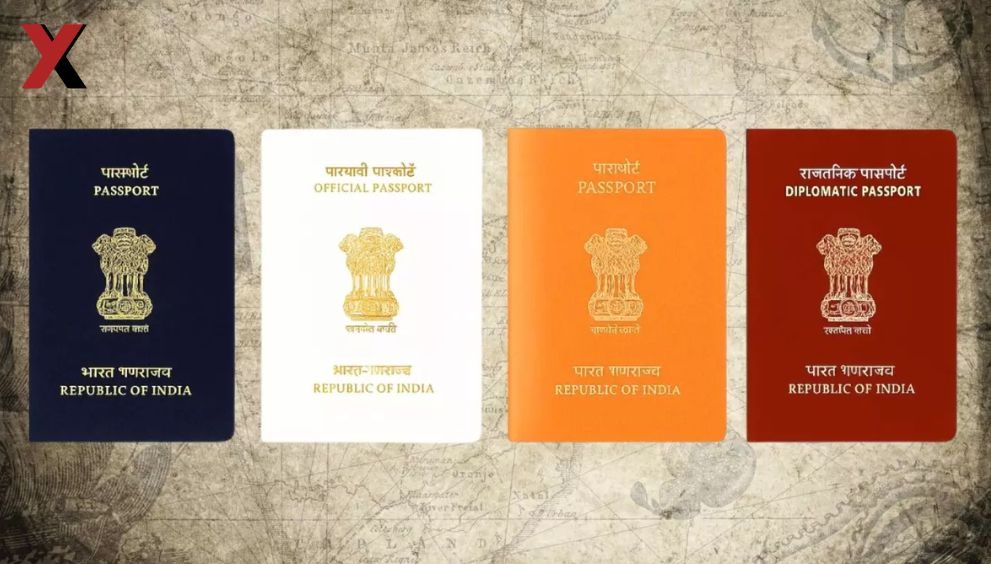
The passport looks completely real — complete with biometric chips, holographic security marks, and several visa stamps. The video’s cinematic angles and clear audio made it appear like authentic airport surveillance footage, fooling many into believing the story was real.
How the Story Went Viral
The video first appeared on TikTok and then spread rapidly across X (formerly Twitter), Instagram, and YouTube. Within hours, hashtags like #TorenzaPassport and #JFKMysteryWoman began trending worldwide.
Social media users debated wildly: some claimed the woman might be from a parallel universe, others said it was a government cover-up, and a few even suggested it was proof of time travel.
But as more people started asking questions, journalists and fact-checkers began digging deeper — and soon the truth came out.
The Truth Behind the Mystery
Authorities at JFK Airport and U.S. Customs confirmed there had been no such incident involving a woman with a “Torenza” passport. There were no reports, no records, and no footage from official sources.
Fact-checkers later revealed that the entire video was AI-generated. The faces, voices, and even the background environment were all digitally created using advanced tools that blend real-world imagery with synthetic elements.
Experts pointed out several subtle clues — unnatural lighting, blurred hand movements, and a perfectly symmetrical passport design — that gave away its artificial nature.
Inspired by an Old Legend
The Torenza hoax has clear roots in an older urban legend known as “The Man from Taured.” According to the story, a man supposedly arrived at Tokyo’s Haneda Airport in 1954 with a passport from a country named Taured, which no one had ever heard of. When questioned, he insisted Taured was between France and Spain. He was detained overnight — but by morning, he had vanished without a trace.
That story has long been dismissed as fiction, but the Torenza video revived it for a new generation — this time powered by modern AI technology instead of folklore.
Why People Believed It
There are a few reasons this hoax spread so effectively:
- Realistic AI visuals: With today’s advanced video-generation tools, AI can create photorealistic faces, voices, and movements that look completely natural to the average viewer.
- Mysterious narrative: The concept of a “traveler from a non-existent country” taps into humanity’s deep fascination with mystery, time travel, and alternate realities.
- Distrust in media: Many people today are skeptical of traditional news sources, making them more likely to believe unconventional stories.
- Viral design: The video was short, dramatic, and shareable — the perfect recipe for online virality.
The Dangers of AI-Generated Hoaxes
While this story might seem harmless, experts warn that AI-generated fake videos pose a serious problem. As technology advances, it’s becoming harder for people to tell what’s real and what’s fake.
These deepfake-style clips can easily spread misinformation, damage reputations, or even create political chaos. When fiction looks like fact, public trust in real news begins to erode.
Lessons for the Digital Age
The “Torenza Passport Woman” story is more than just another viral curiosity — it’s a reminder of how fragile truth can be in the digital era. As artificial intelligence becomes more powerful, so does the responsibility of journalists, creators, and everyday users to verify what they see before sharing it.
It’s a wake-up call for everyone scrolling through social media: not everything that looks real is real.
Final Thoughts
The mystery of the “Torenza Passport Woman” has been solved — but it leaves behind an important message. We now live in a time when technology can fabricate entire realities, complete with convincing faces, voices, and emotions.
The next viral video you see might not be a glimpse into another world — it might just be a reminder of how good AI has become at imitating ours.