English














































































































































































































Human Brain Decoding: How Scientists Can Read Thoughts Using AI

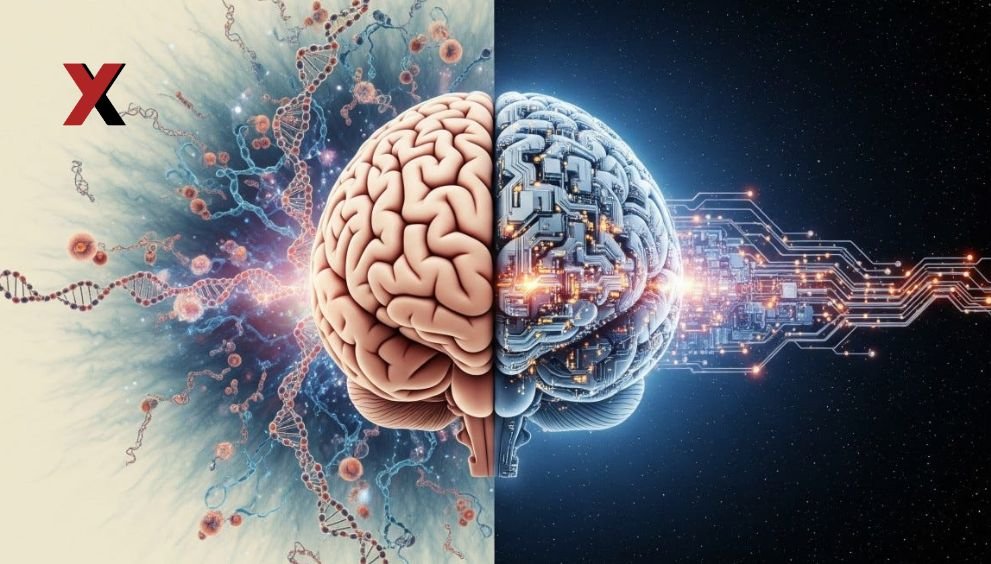
For decades, reading human thoughts sounded like science fiction. Today, thanks to massive advancements in Artificial Intelligence (AI) and neuroscience, scientists can now decode signals from the human brain — and in some cases, even reconstruct what a person is thinking, hearing, or imagining.
This breakthrough is changing medicine, communication, and our understanding of the mind.
What Is Brain Decoding?
Brain decoding is a process where AI analyzes electrical or blood-flow activity in the brain to understand mental states.
When you think, imagine, or speak, your brain creates patterns of neural activity. AI models can study these patterns and translate them into:
- Words
- Emotions
- Images
- Intentions
- Mental commands
This is done using tools like:
- fMRI (functional MRI)
- EEG (electroencephalography)
- Implanted neural chips
How AI Reads Thoughts
AI doesn’t “read your mind” like magic — it learns patterns.
Here’s how it works:
1️⃣ Collect Brain Activity
A person is shown images, words, or asked to think about something.
While they do this, machines record brain activity.
2️⃣ Train the AI Model
AI learns how certain brain patterns match specific:
- Visual images
- Words or sentences
- Emotions
- Movements
3️⃣ Predict or Reconstruct Thoughts
Once trained, the AI can reverse the process.
If it sees a brain pattern, it predicts what the person is:
- Seeing
- Hearing
- Imagining
- Wanting to say
Some AI systems have even recreated rough images of what someone was looking at — directly from brain data.
Real Scientific Breakthroughs
🔹 1. Turning Brain Signals into Text
Scientists have built AI models that turn neural activity into sentences.
This is life-changing for patients unable to speak due to paralysis or stroke.
🔹 2. Reconstructing Images from Thoughts
AI systems have recreated blurry but recognizable images directly from brain scans.
If a person imagines a cat, the AI creates an image resembling the cat.
🔹 3. Controlling Devices With Thoughts
Brain-computer interfaces (BCIs) allow users to control:
- Robotic arms
- Wheelchairs
- Computer cursors
- Keyboards
Just by thinking.
🔹 4. Detecting Emotions
AI can analyze neural activity to understand if a person is stressed, calm, or excited.
How This Helps Humanity
✔ Helping Paralyzed Patients Speak Again
AI can decode brain signals into words, giving a voice to those who lost the ability to speak.
✔ Early Detection of Brain Disorders
AI can spot brain activity patterns linked to:
- Epilepsy
- Alzheimer’s
- Depression
before symptoms get worse.
✔ Treating Mental Health Conditions
Understanding thought patterns helps tailor treatments for anxiety, PTSD, and more.
Ethical Concerns: Can AI Read Thoughts Without Permission?
Scientists emphasize one thing clearly:
AI cannot read your private thoughts unless you are connected to a brain-recording device.
Brain decoding requires:
- Special equipment
- Consent
- Controlled environments
Still, experts agree that clear laws and protections are needed as the technology grows.
The Future of Thought-Decoding AI
Over the next decade, we may see:
- Thought-controlled smartphones
- Full communication for paralyzed patients
- AI that understands emotions in real-time
- Improved treatments for brain diseases
- Deeper understanding of human consciousness
AI won’t replace the mind — but it will help us explore it more deeply than ever before.