English
















































































































































































The Rise of AI in Healthcare: Can Machines Really Predict Diseases?

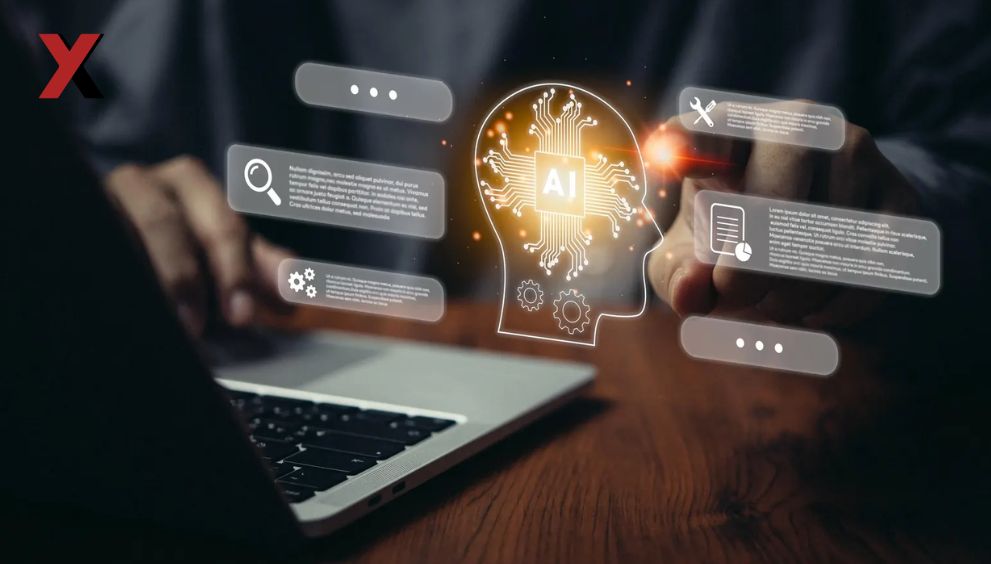
Artificial Intelligence (AI) is transforming every industry, but its biggest impact is being seen in healthcare. From early diagnosis to personalized treatments, AI is helping doctors make faster and more accurate decisions. But the most exciting question today is: Can machines predict diseases before they happen?
Surprisingly, the answer is yes — and the technology is already here.
How AI Predicts Diseases
AI systems analyze massive amounts of medical data such as:
- X-rays, CT scans, MRI images
- Blood test results
- Genetic information
- Patient lifestyle patterns
- Real-time wearable device data
Using this data, AI algorithms can detect patterns that humans may miss. For example, AI can identify tiny changes in scans that could indicate early cancer, heart disease, or brain disorders.
Diseases AI Can Already Predict
1️⃣ Heart Attacks & Stroke
AI can analyze ECG results, blood pressure trends, and cholesterol data to predict the risk of a heart attack months in advance.
2️⃣ Cancer Detection
AI tools are now more accurate than humans in spotting early signs of:
- Breast cancer
- Lung cancer
- Skin cancer
- Colon cancer
These systems detect microscopic changes in scans that are invisible to the naked eye.
3️⃣ Diabetes & Kidney Failure
Machine-learning models study blood sugar patterns and lifestyle habits to predict diabetes risk.
AI can also detect early kidney damage from simple lab reports.
4️⃣ Brain Disorders
AI helps doctors identify early signs of:
- Alzheimer’s
- Parkinson’s
- Epilepsy
Predicting these conditions early gives patients more time for treatment.
The Power of Preventive Healthcare
AI is shifting healthcare from treatment-focused to prevention-focused.
Instead of waiting for symptoms to appear, AI alerts doctors and patients in advance. This means:
- Early diagnosis
- Lower treatment costs
- Higher survival rates
- Better quality of life
Wearable devices like smartwatches also help by tracking heart rate, sleep, oxygen levels, and physical activity — giving AI real-time data.
Does AI Replace Doctors?
No. AI does not replace doctors — it supports them.
Doctors use AI tools to make faster, more informed decisions.
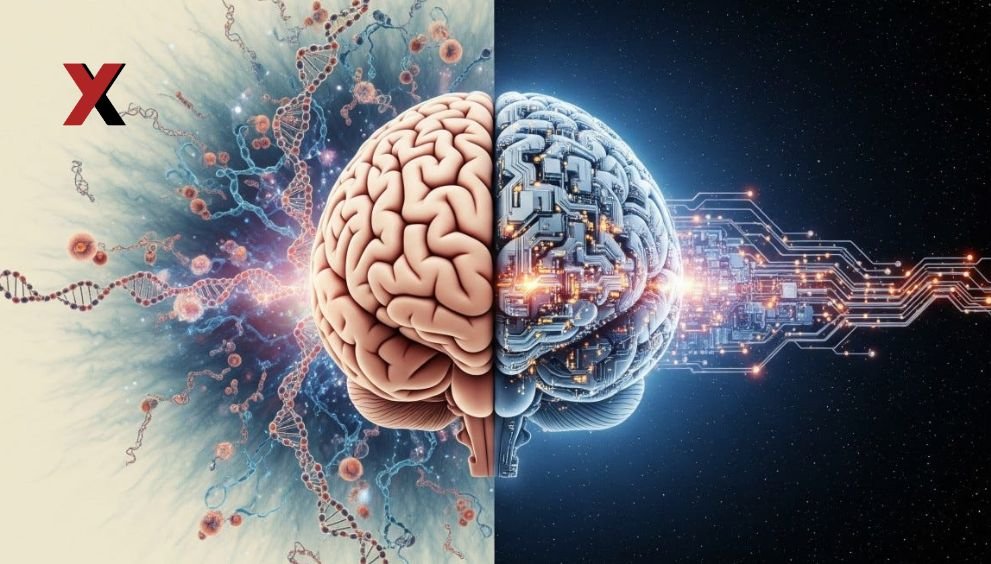
The combination of human expertise + machine intelligence leads to safer and more accurate healthcare.
The Future of AI in Medicine
In the coming years, AI is expected to:
- Predict diseases years before symptoms appear
- Create personalized treatment plans based on DNA
- Perform robotic-assisted surgeries
- Monitor patients 24/7 through smart devices
- Reduce errors and improve hospital efficiency
Healthcare will become faster, smarter, and more precise than ever before.
Conclusion
AI is not just a futuristic idea — it’s already transforming healthcare.
With the power to analyze data, spot early warning signs, and predict diseases, AI has the potential to save millions of lives.
The future of medicine is not just in hospitals — it’s in algorithms, data, and smart technologies working together to keep people healthy.