English











































































































































































































What Is Digital Rupee and How It Works

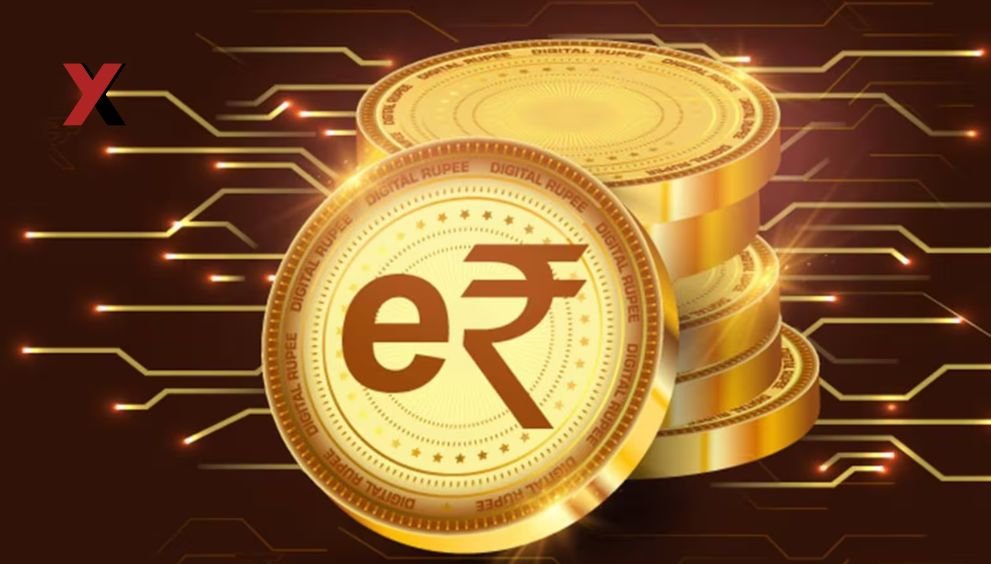
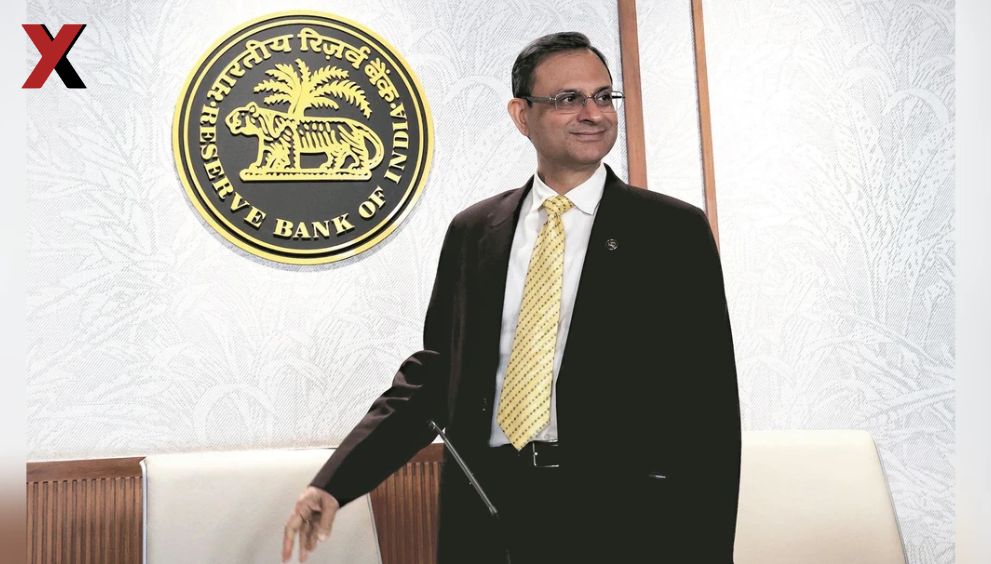
The Digital Rupee is the electronic form of Indian currency issued by the Reserve Bank of India. Just like paper notes and coins, it is legal tender, but instead of being physical, it exists in digital form.
In short:
- ₹1 Digital Rupee = ₹1 Physical Rupee
- Issued and controlled by RBI
- Can be used for daily transactions
Unlike cryptocurrencies like Bitcoin, the Digital Rupee is fully regulated and backed by the Indian government.
Why Did India Introduce the Digital Rupee?
The Digital Rupee was introduced to modernize the financial system and make transactions more efficient.
Main reasons include:
- Reducing the cost of printing currency notes
- Faster and safer digital transactions
- Better control over illegal money
- Improved transparency in the economy
- Strong alternative to private cryptocurrencies
How Does the Digital Rupee Work?
The Digital Rupee works through a digital wallet provided by banks authorized by RBI.
Step-by-step working:
- Users download a Digital Rupee wallet app
- The wallet is linked to a bank account
- Digital Rupees are added to the wallet
- Payments are made by scanning QR codes or direct transfer
- Transactions are settled instantly
The entire system runs on secure digital technology, ensuring safety and authenticity.
Types of Digital Rupee
The RBI has introduced two main types of Digital Rupee:
1. Retail Digital Rupee (e₹-R)
- Used by the general public
- Suitable for daily shopping and payments
- Works like cash but in digital form
2. Wholesale Digital Rupee (e₹-W)
- Used by banks and financial institutions
- Helps in faster interbank transactions
- Improves efficiency in large-value settlements
Digital Rupee vs UPI: What’s the Difference?
Many people confuse Digital Rupee with UPI, but they are not the same.
| Digital Rupee | UPI |
|---|---|
| Digital cash issued by RBI | Payment system |
| No need for bank balance during payment | Requires bank account |
| Works like physical cash | Acts as a bridge between banks |
| Direct RBI-backed money | Depends on banks |
Both can coexist and serve different purposes.
Is Digital Rupee Safe?
Yes, the Digital Rupee is considered very safe because:
- Issued by RBI
- Protected by advanced security systems
- Not affected by market volatility
- No risk of fake currency
However, like all digital tools, users must protect their wallets and devices.
Advantages of Digital Rupee
- Instant payments
- Lower transaction costs
- Reduced cash handling
- Increased transparency
- Financial inclusion for remote areas
Challenges of Digital Rupee
- Limited awareness among people
- Requires digital literacy
- Privacy concerns
- Dependence on smartphones and internet
Future of Digital Rupee in India
The Digital Rupee is still in its early stage, but experts believe it will play a major role in India’s financial future. As adoption increases, it could transform how people save, spend, and transfer money.
India is taking a careful and balanced approach to ensure the system is secure, inclusive, and beneficial for everyone.